



5-HT Receptor
Serotonin Receptor; 5-hydroxytryptamine Receptor
5-HT receptors (Serotonin receptors) are a group of G protein-coupled receptors (GPCRs) and ligand-gated ion channels (LGICs) found in the central and peripheral nervous systems. Type: 5-HT1, 5-HT2, 5-HT3, 5-HT4, 5-HT5, 5-HT6, 5-HT7. They mediate both excitatory and inhibitory neurotransmission. The serotonin receptors are activated by the neurotransmitter serotonin, which acts as their natural ligand. The serotonin receptors modulate the release of many neurotransmitters, as well as many hormones. The serotonin receptors influence various biological and neurological processes such as aggression, anxiety, appetite, cognition, learning, memory, mood, nausea, sleep, andthermoregulation. The serotonin receptors are the target of a variety of pharmaceutical drugs, including many antidepressants, antipsychotics, anorectics,antiemetics, gastroprokinetic agents, antimigraine agents, hallucinogens, and entactogens.
5-HT Receptor Isoform Specific Products
-
5-HT Receptor
(565)
View all products
-
5-HT1 Receptor
(451)
View all products
-
5-HT2 Receptor
(475)
View all products
-
5-HT3 Receptor
(31)
View all products
-
5-HT4 Receptor
(12)
View all products
-
5-HT5 Receptor
(13)
View all products
-
5-HT6 Receptor
(86)
View all products
-
5-HT7 Receptor
(88)
View all products
All Product Categories
-
5-HT Receptor Inhibitors
(190)
View all products
-
5-HT Receptor Agonists
(544)
View all products
-
5-HT Receptor Antagonists
(684)
View all products
-
5-HT Receptor Activators
(19)
View all products
-
5-HT Receptor Modulators
(97)
View all products
-
5-HT Receptor Inducers
(2)
View all products
-
5-HT Receptor Controls
(19)
View all products
-
5-HT Receptor Ligands
(27)
View all products
-
5-HT Receptor Related Products (1733)
Related Products (1733)

-
Antibodies (1)
-
Related Compound Screening Libraries (1)
-
5-HT Receptor Isoform Comparison
-
Chlorpromazine
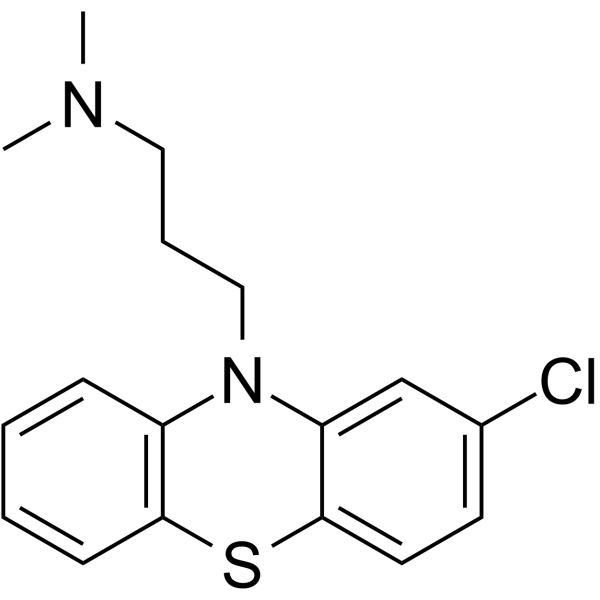 0 ImagesChlorpromazine is an orally active, blood-brain barrier-transparent antipsychotic agent that effectively antagonises D2 dopamine receptors and 5-HT2A, which is widely used in schizophrenia and other psychiatric disorders. Chlorpromazine exerts anti-cancer activity through a variety of pathways, including anti-proliferation, induction of autophagy and cycle arrest (G2-M phase), inhibition of cytochrome c oxidase (CcO), inhibition of tumour growth and metastasis, and inhibition of tumour immune escape. Chlorpromazine also blocks hNav1.7 channels (IC50=25.9 μM; concentration-dependent) and HERG potassium channels (IC50=21.6 μM), which has potential for analgesic and cardiac arrhythmic studies. Chlorpromazine also can inhibit clathrin-mediated endocytosis.
-
Serotonin
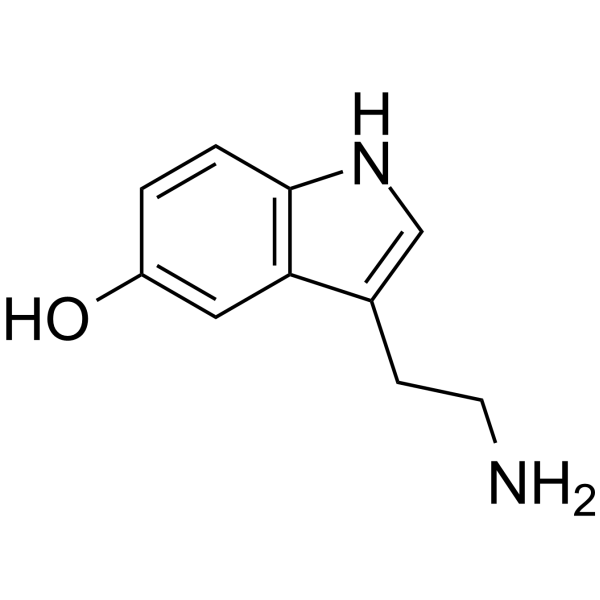 0 ImagesSerotonin is a monoamine neurotransmitter in the CNS and an endogenous 5-HT receptor agonist. Serotonin is also a catechol O-methyltransferase (COMT) inhibitor with a Ki of 44 μM.
-
Serotonin hydrochloride
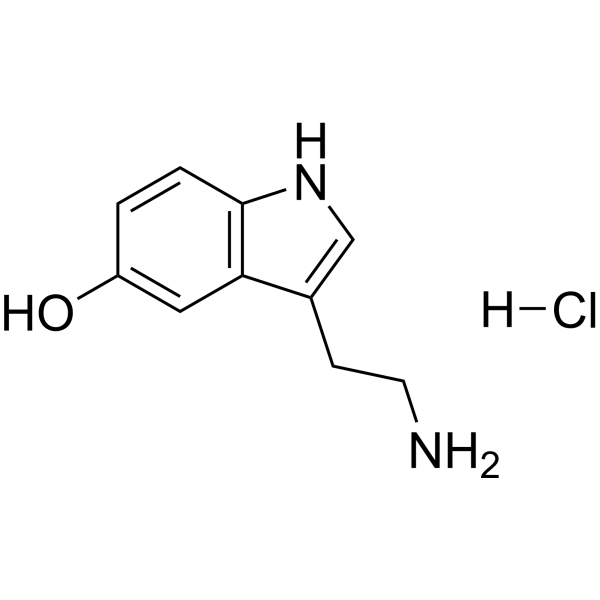 0 ImagesSynonyms: 5-Hydroxytryptamine hydrochloride; 5-HT hydrochlorideSerotonin (5-Hydroxytryptamine) hydrochloride is a monoamine neurotransmitter in the CNS and an endogenous 5-HT receptor agonist, with blood-brain barrier permeability. Serotonin hydrochloride is also a catechol O-methyltransferase (COMT) inhibitor with a Ki of 44 μM.
-
SCH-23390 hydrochloride
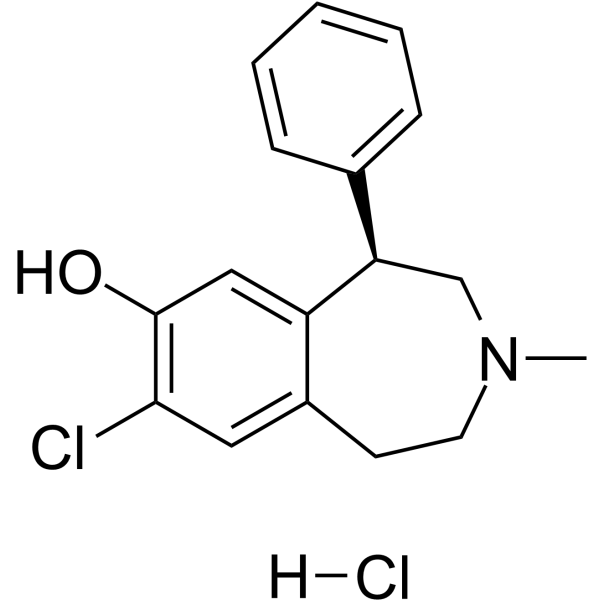 0 ImagesSynonyms: R-(+)-SCH-23390 hydrochlorideSCH-23390 hydrochloride (R-(+)-SCH-23390 hydrochloride) is a potent and selective dopamine D1-like receptor antagonist with Kis of 0.2 nM and 0.3 nM for the D1 and D5 receptor, respectively. SCH-23390 hydrochloride is a potent and high efficacy human 5-HT2C receptor agonist with a Ki of 9.3 nM. SCH-23390 hydrochloride also binds with high affinity to the 5-HT2 and 5-HT1C receptors. SCH-23390 hydrochloride inhibits G protein-coupled inwardly rectifying potassium (GIRK) channels with an IC50 of 268 nM.
-
Quetiapine hemifumarate
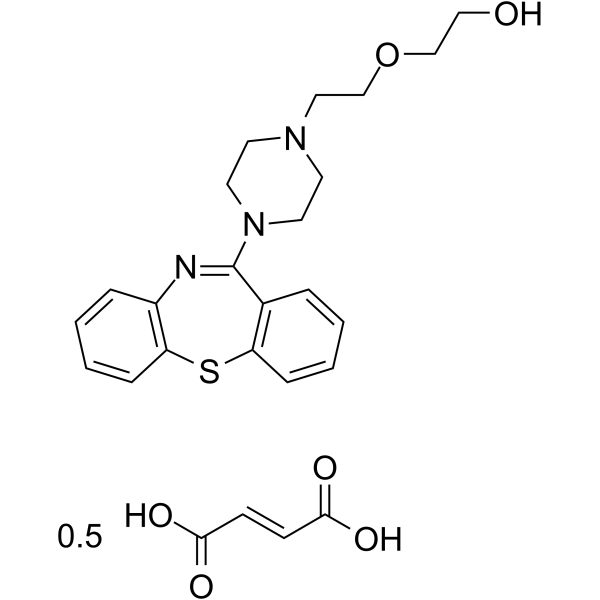 0 ImagesQuetiapine hemifumarate is a 5-HT receptors agonist with a pEC50 of 4.77 for human 5-HT1A receptor. Quetiapine hemifumarate is a dopamine receptor antagonist with a pIC50 of 6.33 for human D2 receptor. Quetiapine hemifumarate has moderate to high affinity for the human D2, HT1A, 5-HT2A, 5-HT2C receptor with pKis of 7.25, 5.74, 7.54, 5.55. Antidepressant and anxiolytic effects.
-
Cyproheptadine
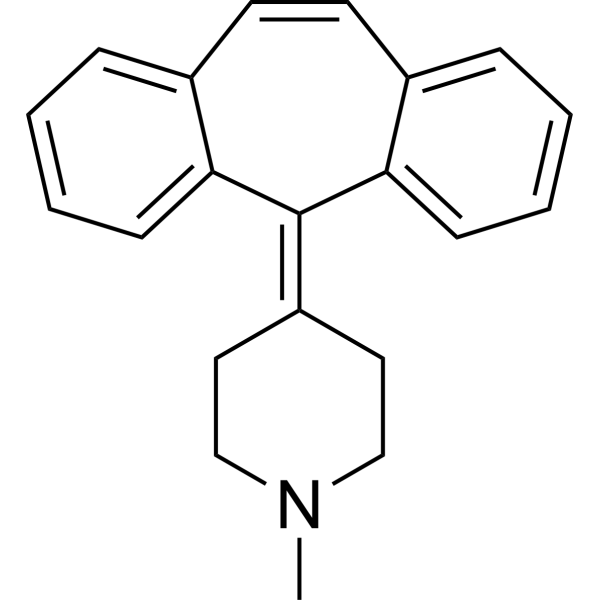 0 ImagesCyproheptadine acts as a p38 MAP kinase activator, CHK2 activator, histamine H1 receptor inhibitor and serotonin receptor inhibitor. Cyproheptadine mediates cell cycle arrest via G1 phase arrest, G1/S transition arrest, G0/G1 phase arrest, reduced expression of cyclins D1/D2/D3, upregulated expression of HBP1, p16, p21, p27, and decreased phosphorylation of retinoblastoma protein. Cyproheptadine induces Apoptosis by increasing PARP and cleaved PARP, as well as activating the mitochondrial caspase pathway. Cyproheptadine inhibits tumor growth with extremely low toxicity to normal cells. Cyproheptadine can be used in research related to hepatocellular carcinoma, multiple myeloma and acute myeloid leukemia.
-
Cyproheptadine hydrochloride
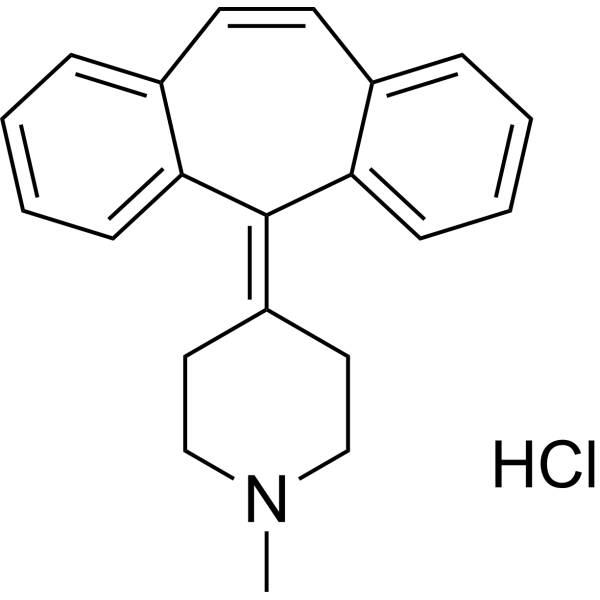 0 ImagesCyproheptadine hydrochloride (Cyproheptadine HCl) acts as a p38 MAP kinase activator, CHK2 activator, histamine H1 receptor inhibitor and serotonin receptor inhibitor. Cyproheptadine hydrochloride mediates cell cycle arrest via G1 phase arrest, G1/S transition arrest, G0/G1 phase arrest, reduced expression of cyclins D1/D2/D3, upregulated expression of HBP1, p16, p21, p27, and decreased phosphorylation of retinoblastoma protein. Cyproheptadine hydrochloride induces Apoptosis by increasing PARP and cleaved PARP, as well as activating the mitochondrial caspase pathway. Cyproheptadine hydrochloride inhibits tumor growth with extremely low toxicity to normal cells. Cyproheptadine hydrochloride can be used in research related to hepatocellular carcinoma, multiple myeloma and acute myeloid leukemia.
-
Chlorpromazine hydrochloride
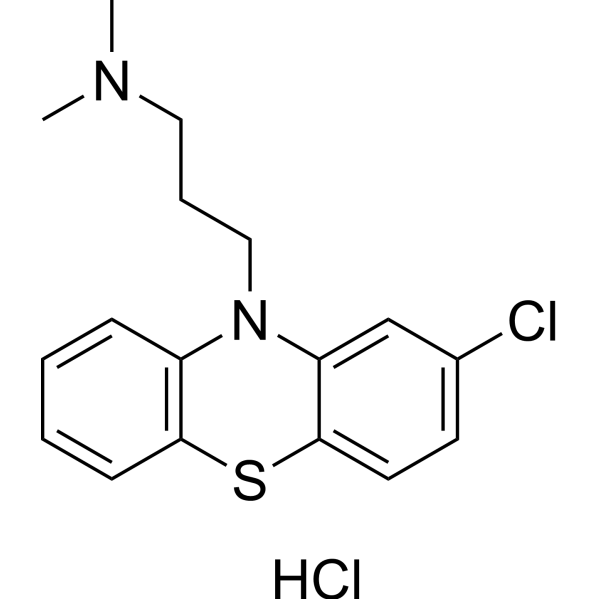 0 ImagesChlorpromazine hydrochloride is an orally active, blood-brain barrier-transparent antipsychotic agent that effectively antagonises D2 dopamine receptors and 5-HT2A, which is widely used in schizophrenia and other psychiatric disorders. Chlorpromazine hydrochloride exerts anti-cancer activity through a variety of pathways, including anti-proliferation, induction of autophagy and cycle arrest (G2-M phase), inhibition of cytochrome c oxidase (CcO), inhibition of tumour growth and metastasis, and inhibition of tumour immune escape. Chlorpromazine hydrochloride also blocks hNav1.7 channels (IC50=25.9 μM; concentration-dependent) and HERG potassium channels (IC50=21.6 μM), which has potential for analgesic and cardiac arrhythmic studies. Chlorpromazine hydrochloride also can inhibit clathrin-mediated endocytosis.
-
Harmine
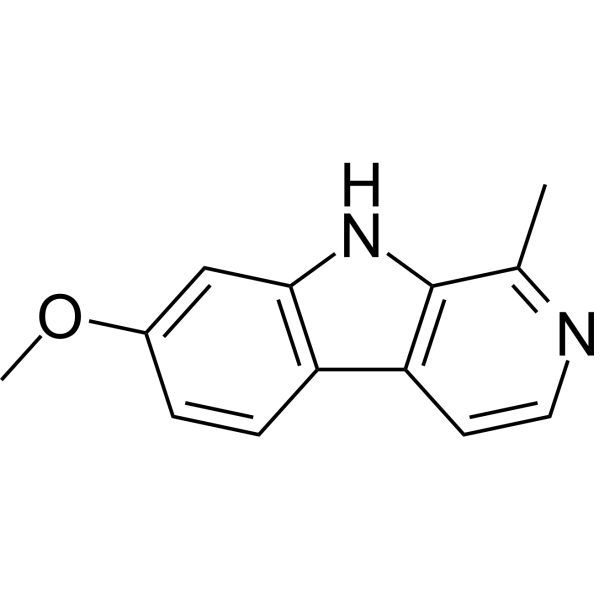 0 ImagesHarmine is a natural dual-specificity tyrosine phosphorylation-regulated kinase (DYRK) inhibitor with anticancer and anti-inflammatory activities. Harmine has a high affinity of 5-HT2A serotonin receptor, with an Ki of 397 nM.
-
Clozapine
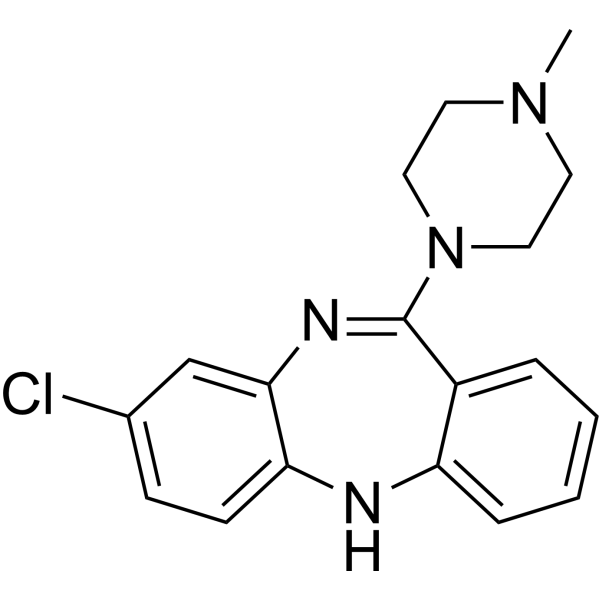 0 ImagesClozapine (HF 1854) is an antipsychotic used for the research of schizophrenia. Clozapine has high affinity for a number of neuroreceptors. Clozapine is a potent antagonist of dopamine D2 with a Ki of 75 nM. Clozapine inhibits the muscarinic M1 receptor and serotonin 5HT2A receptor with Kis of 9.5 nM and 4 nM, respectively. Clozapine is also a potent and selective agonist at the muscarinic M4 receptor (EC50=11 nM).
-
Olanzapine
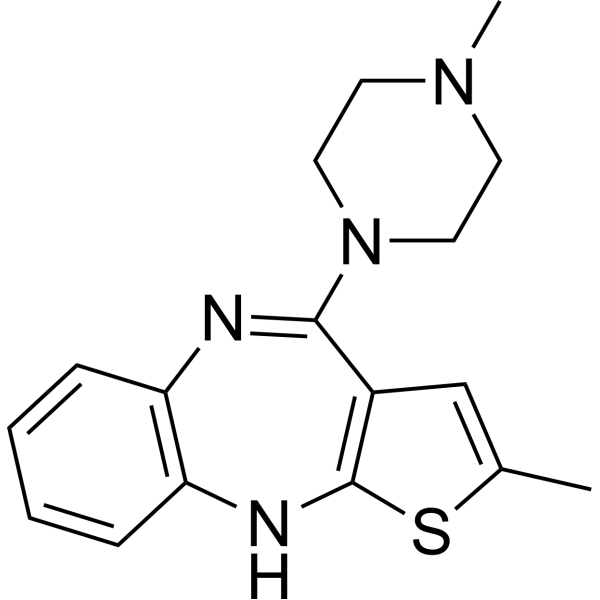 0 ImagesSynonyms: LY170053Olanzapine (LY170053) is a selective, orally active monoaminergic antagonist with high affinity binding to serotonin H1, 5HT2A/2C, 5HT3, 5HT6 (Ki=7, 4, 11, 57, and 5 nM, respectively), dopamine D1-4 (Ki=11 to 31 nM), muscarinic M1-5 (Ki=1.9-25 nM), and adrenergic α1 receptor (Ki=19 nM). Olanzapine is an atypical antipsychotic.
-
5-Hydroxytryptophan
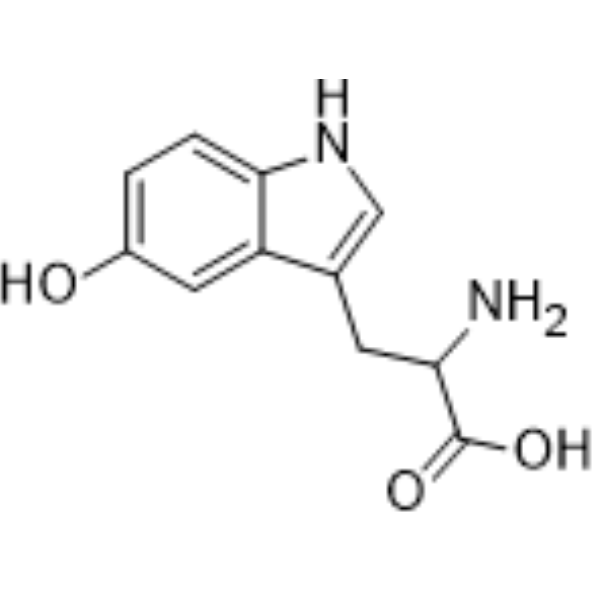 0 Images5-Hydroxytryptophan, a tryptophan metabolite, is a direct 5-hydroxytryptamine (5-HT) precursor and an L-aromatic amino acid decarboxylase substrate. .
-
Risperidone
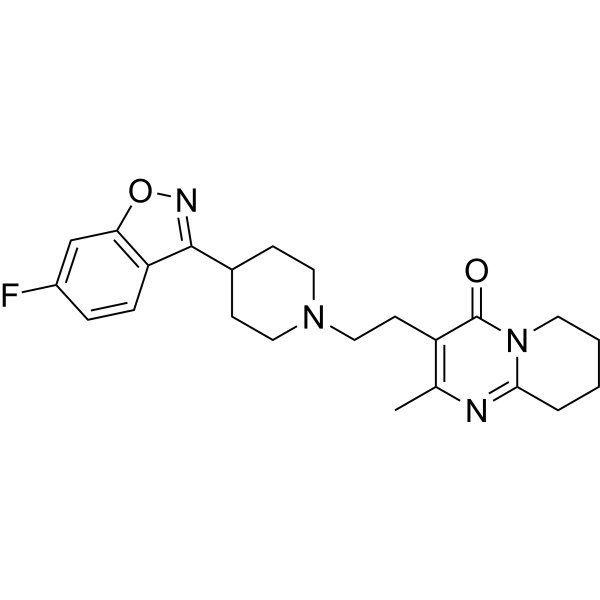 0 ImagesSynonyms: R 64 766Risperidone is a serotonin 5-HT2 receptor blocker, P-Glycoprotein inhibitor and potent dopamine D2 receptor antagonist, with Kis of 4.8, 5.9 nM for 5-HT2A and dopamine D2 receptor, respectively.
-
Vortioxetine
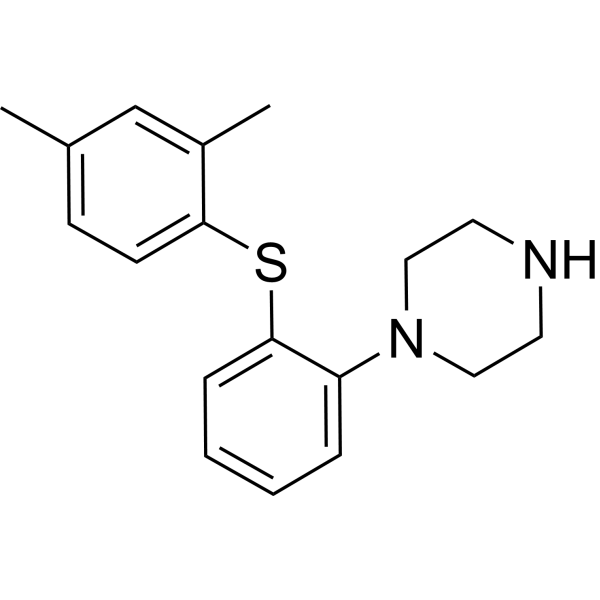 0 ImagesSynonyms: Lu AA 21004Vortioxetine (Lu AA 21004) is an antagonist of 5-HT3A and 5-HT7 receptors (Ki: 3.7 nM, 19 nM) and an inhibitor of serotonin transporter (SERT) (Ki: 1.6 nM), as well as a 5-HT1A agonist and a partial agonist of 5-HT1B (Ki: 15 nM, 33 nM).
-
Paroxetine
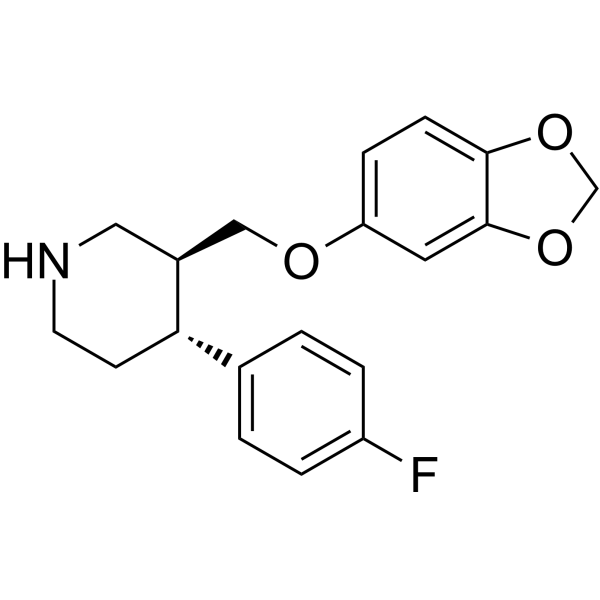 0 ImagesSynonyms: BRL29060Paroxetine (BRL29060) is an orally active and selective serotonin reuptake inhibitor (SSRI) and apoptosis inducer with blood-brain barrier permeability. Paroxetine inhibits nitric oxide synthase and CYP2D6, induces desensitization of 5-HT1A/1B/1D autoreceptors, downregulates 5-HT2 receptors, and promotes the production of inflammatory cytokines. Paroxetine is a weak norepinephrine (NE) uptake inhibitor and possesses antitumor activity. Paroxetine is widely used in research concerning depression, obsessive-compulsive disorder, panic disorder, social phobia, generalized anxiety disorder, post-traumatic stress disorder, premenstrual dysphoric disorder, hot flashes, and related conditions.
-
Volinanserin
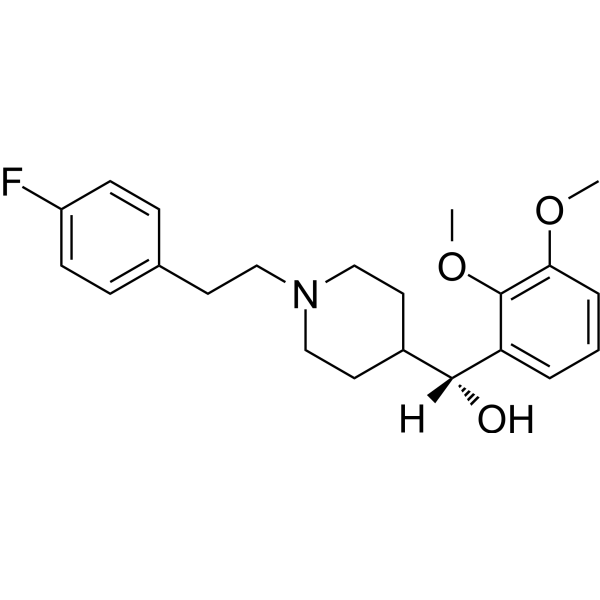 0 ImagesSynonyms: MDL100907; M 100907Volinanserin is a potent and selective antagonist of 5-HT2 receptor, with a Ki of 0.36 nM, and shows 300-fold selectivity for 5-HT2 receptor over 5-HT1c, alpha-1 and DA D2 receptors. Volinanserin has antipsychotic activity.
-
WAY-100635
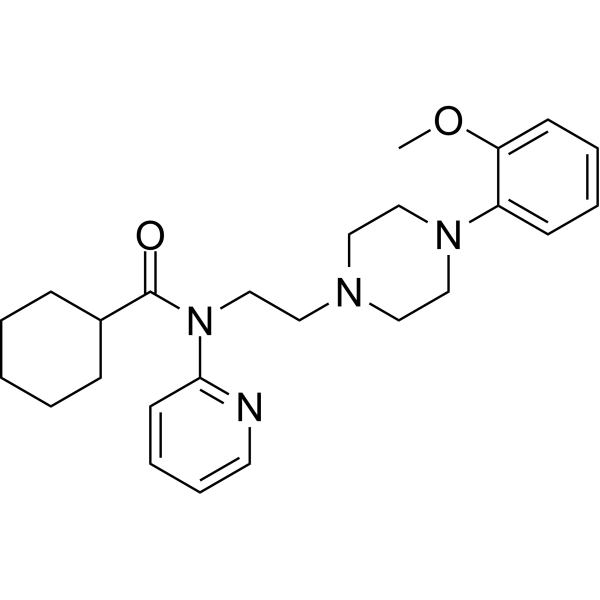 0 ImagesWAY-100635 is a potent and selective 5-HT1A Receptor antagonist with a pIC50 of 8.87, an apparent pA2 of 9.71. WAY-100635 is a potent and selective 5-hydroxytryptamine 1A (5-HT1A) receptor antagonist with an IC50 value of 0.91 nM and Ki value of 0.39 nM. WAY-100635 has pIC50 values for 5-HT1A and α1-adrenergic receptors of 8.9 and 6.6, respectively. WAY-100635 is also a potent dopamine D4 receptor agonist.




